


No worker should have to choose between a paycheck and their health

Updated: Mar 6
In a mountain town, a snow day feels familiar. The snow stacks up fast, the roads turn into a hazard, and temperatures drop. Schools announce a late-start. Tourists sleep in. Employers tell office staff to work from home. In places like Aspen, Snowmass, Vail, and Breckenridge, the resort economy doesn’t pause—it just expects the town to be ready. Safety becomes a “shared decision”—for the people who get to stay inside.
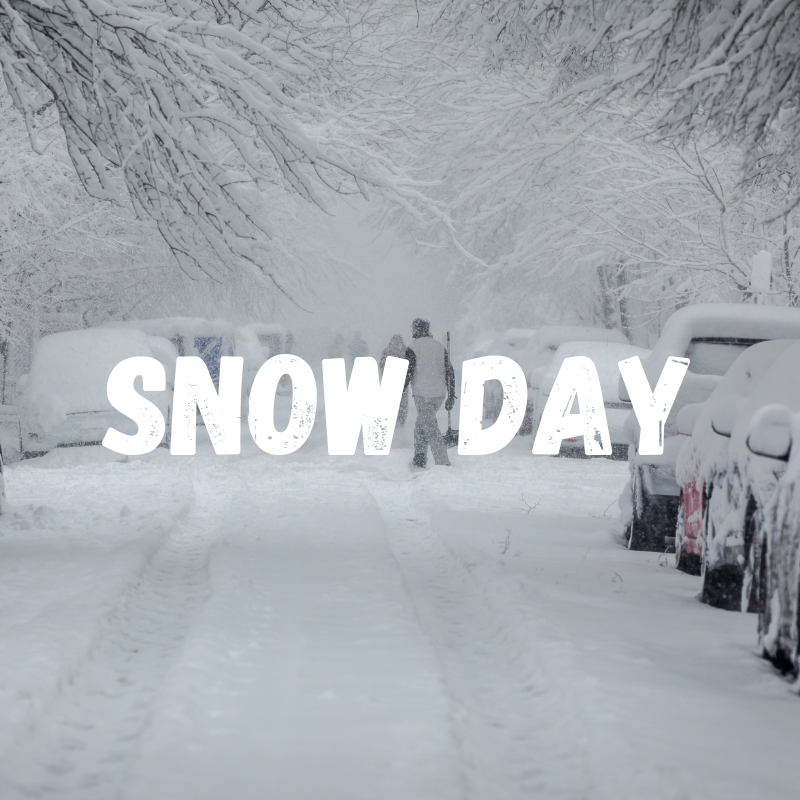
But for many Latino workers, a snow day starts before dawn. The text still comes in: “Be here.” Employment agencies start calling and dispatching every worker they can—filling vans and sending crews into the storm even when the roads are barely drivable. They pull on boots that never fully dried, gloves that soak through, and layers that won’t hold up for hours in wet wind. They shovel until their fingers go numb and their bodies ache, because the job is to clear driveways, job sites, and public sidewalks, fast. Then, later, the other Colorado wakes up—once the roads are passable and the sidewalks are safe. That’s how the mountain economy keeps moving—one storm at a time.
These are the jobs where Latino workers are overrepresented—and the risk is treated as normal. And when the seasons change, the danger doesn’t go away. It just flips. Heat rises off asphalt and rooftops like a stove. On the same days tourists book another weekend and new builds keep rising, crews are still expected to finish the work. Landscaping crews work through the hottest hours because the pace doesn’t slow down. In warehouses and industrial buildings, the heat gets trapped and bodies don’t cool down. Even with headaches, nausea, and confusion, people push through because they’ve seen what happens to the person who “complains.”
This is why Voces Unidas organizes around worker safety and dignity. We’ve heard these stories across the Western Slope and statewide.
In 2024, we helped create the Coalition to Protect Workers from Extreme Temperatures and led the introduction of first-of-its-kind legislation in 2025. We didn’t force it through that year. We spent the time working with labor, nonprofits, industry, legislators, and the governor to find a path forward that could survive the state budget.
This year, the coalition is back with HB26-1272, sponsored by Representatives Meg Froelich and Elizabeth Velasco and Senators Lisa Cutter and Mike Weissman.
HB26-1272 would require statewide tracking and public reporting of temperature-related workplace injuries and emergencies, require prevention plans for exposed workplaces, and set training standards so workers and supervisors recognize danger before it becomes an emergency.
This shouldn’t be controversial. It’s cheaper to protect a worker than to replace a worker after they quit, get injured, or worse. We also know many employers already do the right thing. They plan ahead. They adjust schedules. They provide water, shade, and warm-up breaks when temperatures turn dangerous. HB26-1272 is about taking those best practices and making them the baseline—the floor—not creating busywork.
Right now, too much stays hidden. People get hurt and don’t report it because they’re scared. Someone gets driven home instead of taken to urgent care. A family loses wages because a preventable illness knocks a worker out for days. A system that requires planning, training, and reporting changes the incentives. It makes prevention standard. It makes it harder to deny patterns. It gives the state a way to hold employers accountable before workers die.
There aren’t many issues where Latino voters line up the same way no matter how they vote. This is one of them. Extreme temperatures hit our community so hard—and so predictably—that support is almost universal. In our recent statewide polling, 87% of Latinos support basic protections for workers who are required to work when temperatures are dangerously hot or cold.
Latinos are about 23% of Colorado—more than one in five people in this state. When that many Coloradans are demanding worker protections that prevent injury and death, the legislature should listen.
Voces Unidas supports HB26-1272 because no one should have to die at work. Not on a roof in July. Not shoveling someone else’s sidewalk in January. Not in a warehouse that turns into an oven. The people doing this work are not disposable.
If you’ve worked through extreme heat or extreme cold and you want to share your experience, we want to hear from you.
Click here to follow our policy work in the 2026 legislative session.

