The dark side of the mountain resort economy


The mountains sell a story of clean air, fresh powder, luxury, and escape. Visitors come for the views, the skiing, the village lights, the Michelin-star meals, and the postcard version of Colorado.
Ski resorts like Aspen, Snowmass, Vail, Breckenridge, Steamboat, Telluride, Winter Park, Copper Mountain, and others across Colorado all benefit from that image.
What most visitors do not see are the workers holding it all together.
The rooms do not clean themselves. The dishes do not wash themselves. The roads do not clear themselves before sunrise. The homes, hotels, restaurants, and resorts do not build or maintain themselves. Mountain towns run because workers make them run.
Many of those workers are Latino. Many are paid low wages. Many do not have health insurance. Many drive one or two hours each way because they cannot afford to live anywhere near the communities they serve. And they are overrepresented in jobs that require them to keep working, outdoors and indoors, when temperatures become dangerously hot or dangerously cold.
This year, the legislature is considering a proposal shaped by three years of good-faith work among more than 30 organizations, the Governor’s office, and industry stakeholders to create basic protections for workers exposed to dangerous heat and extreme cold at work.
Even after all that work, the proposal was stripped down to the bare minimum. What remains in the bill is just phase one – data collection, education, and the creation of a sample safety plan that any business can use. That is the ask. No sweeping mandate. No burden on any business. Just a modest first step to better understand what is happening to workers and how to prevent harm.
And even that is too much for the powerful lobbyists representing some of Colorado’s ski resorts.
The same industry that presents itself as world-class is now sending its lobbyists after immigrant workers and pressuring lawmakers to kill even this limited step. That should tell people exactly where their priorities are.
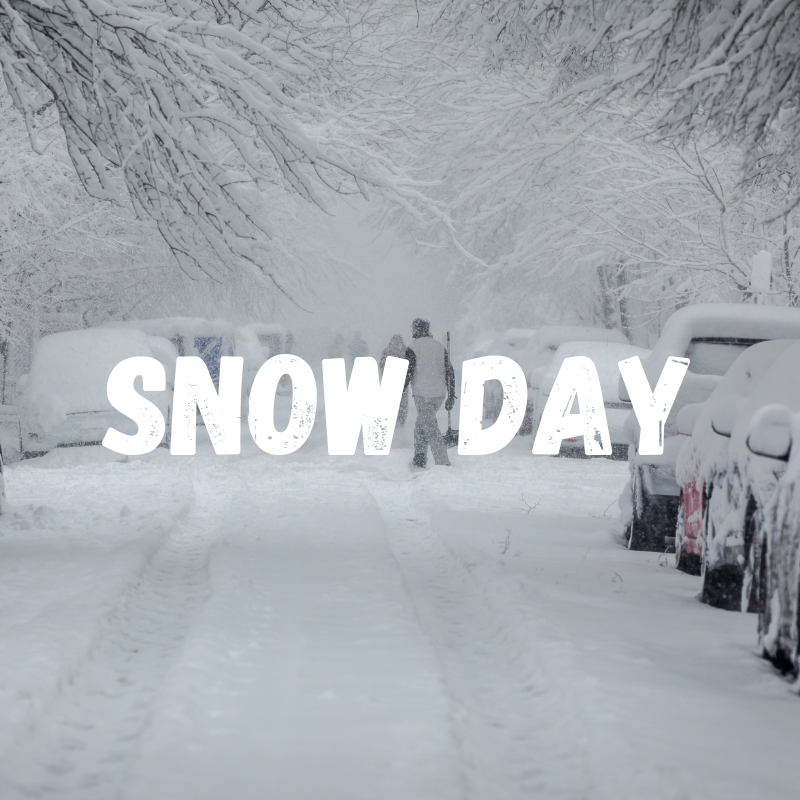
The mountain economy does not run on scenery. It runs on labor. It runs on Latino workers who show up before sunrise to clear snow in freezing temperatures so everything looks perfect by the time visitors wake up. It runs on the same workers who build and maintain homes, hotels, and infrastructure in dangerous summer heat. It runs on people expected to absorb the risk so everyone else can enjoy the experience.
And when something goes wrong, responsibility often disappears.
Contractors, subcontractors, staffing agencies, and outsourced labor make it easy for resorts, developers, and property owners to profit while avoiding responsibility for the people doing the work. Tourists get the polished experience they paid for. Workers get pushed to keep working in dangerous heat or extreme cold. And when something goes wrong, responsibility disappears fast.
If industry lobbyists are willing to oppose basic data collection, they are opposing transparency. If they are willing to oppose safety education, they are opposing prevention. If they are willing to oppose a sample safety plan built around best practices, they are choosing to keep things exactly as they are.
An industry that depends heavily on Latino labor is making a clear choice. It is choosing to protect profits over people. It is choosing to protect its image over the truth. It is choosing to keep the system running while workers carry the risk.
The next time you visit these mountain resorts, ask yourself what you are really supporting.
Because behind the views, the luxury, and the experience are workers being asked to carry the risk.
The people who make this economy run deserve better. The question is whether the rest of us are willing to demand it.
Voces Unidas is a nonprofit based in Colorado’s central mountain region, founded by the daughters and sons of immigrants. We work to advance legislation shaped by those directly impacted. Support this work by donating here.